

How To Clean Your Nose Sinus
Topic Resources
Locating the Sinuses
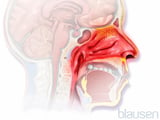
The supporting structure of the upper part of the external nose consists of bone, and the lower part consists of cartilage. Inside the nose is the nasal cavity, which is divided into two passages by the nasal septum. The nasal septum is composed of both bone and cartilage and extends from the nostrils to the back of the nose. Bones called nasal conchae project into the nasal cavity, forming a series of folds (turbinates). These turbinates greatly increase the surface area of the nasal cavity, thereby allowing a more effective exchange of heat and moisture. Polyps may develop between the turbinates, often in people with asthma Asthma Asthma is a condition in which the airways narrow—usually reversibly—in response to certain stimuli. Coughing, wheezing, and shortness of breath that occur in response to specific triggers are... read more 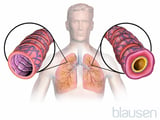 , allergies Seasonal Allergies Seasonal allergies result from exposure to airborne substances (such as pollens) that appear only during certain times of the year. Seasonal allergies cause itchy skin, a runny nose, sneezing... read more
  , or cystic fibrosis Cystic Fibrosis (CF) Cystic fibrosis is a hereditary disease that causes certain glands to produce abnormally thick secretions, resulting in tissue and organ damage, especially in the lungs and the digestive tract... read more and in those using aspirin for long periods.
Lining the nasal cavity is a mucous membrane rich with blood vessels. The increased surface area and the many blood vessels enable the nose to warm and humidify incoming air quickly. Cells in the mucous membrane produce mucus and have tiny hairlike projections (cilia). Usually, the mucus traps incoming dirt particles, which are then moved by the cilia toward the front of the nose or down the throat to be removed from the airway. This action helps clean the air before it goes to the lungs. Sneezing automatically clears the nasal passages in response to irritation, just as coughing clears the lungs.
One of the most important functions of the nose is its role in the sense of smell. Smell receptor cells are located in the upper part of the nasal cavity. These cells are special nerve cells that have cilia. The cilia of each cell are sensitive to different chemicals and, when stimulated, create a nerve impulse that is sent to the nerve cells of the olfactory bulb, which lies inside the skull just above the nose. The olfactory nerves carry the nerve impulse from the olfactory bulb directly to the brain, where it is perceived as a smell.
CLICK HERE FOR THE PROFESSONAL VERSION

© 2021 Merck Sharp & Dohme Corp., a subsidiary of Merck & Co., Inc., Kenilworth, NJ, USA
Was This Page Helpful?
How To Clean Your Nose Sinus
Source: https://www.merckmanuals.com/home/ear,-nose,-and-throat-disorders/biology-of-the-ears,-nose,-and-throat/nose-and-sinuses
Posted by: woolridgerentiold.blogspot.com
0 Response to "How To Clean Your Nose Sinus"
Post a Comment